

How to ensure the proper feeding of materials in a hydraulic brick machine?
Proper feeding of materials is crucial for the efficient and high - quality operation of a hydraulic brick machine. As a leading supplier of hydraulic brick machines, I have witnessed firsthand the impact of correct material feeding on the final product quality and the overall performance of the machine. In this blog, I will share some key strategies to ensure the proper feeding of materials in a hydraulic brick machine.
Understanding the Material Requirements
Before starting the feeding process, it is essential to have a clear understanding of the materials required for brick production. Different types of bricks, such as cement bricks, interlocking bricks, and pressed bricks, may have different material compositions. For example, cement bricks typically require a mixture of cement, sand, aggregate, and water. The quality and proportion of these materials directly affect the strength and durability of the bricks.
When it comes to sourcing materials, it is important to choose high - quality raw materials. Low - quality materials can lead to weak bricks, increased wear and tear on the machine, and production inefficiencies. For instance, using sand with a high clay content can cause the bricks to crack during the drying and curing process.
Preparing the Materials
Once the materials are sourced, proper preparation is necessary. This includes screening, mixing, and moistening the materials. Screening helps to remove any large particles or impurities that could damage the machine or affect the quality of the bricks. For example, if there are stones larger than the recommended size in the aggregate, they can cause blockages in the feeding system or result in unevenly formed bricks.
Mixing is another critical step. The materials should be thoroughly mixed to ensure a homogeneous mixture. This can be achieved using a mixer, which can be either a batch mixer or a continuous mixer. A well - mixed material ensures that the bricks have consistent properties throughout. For example, if the cement is not evenly distributed in the mixture, some parts of the brick may be weaker than others.
Moistening the materials is also important. The right amount of moisture is required to bind the materials together and allow for proper compaction in the hydraulic brick machine. Too much moisture can cause the bricks to deform during the pressing process, while too little moisture can result in poor compaction and weak bricks.
Feeding System Design
The design of the feeding system plays a vital role in ensuring proper material feeding. A well - designed feeding system should be able to deliver the materials to the machine at a consistent rate and in the right quantity. There are several types of feeding systems available, such as belt conveyors, screw feeders, and vibrating feeders.
Belt conveyors are commonly used for transporting large volumes of materials. They are relatively simple and reliable, but they require proper alignment and tensioning to ensure smooth operation. Screw feeders are suitable for feeding granular materials and can provide a more precise control of the feeding rate. Vibrating feeders are useful for feeding materials that tend to stick together, as the vibration helps to break up the clumps and ensure a continuous flow.
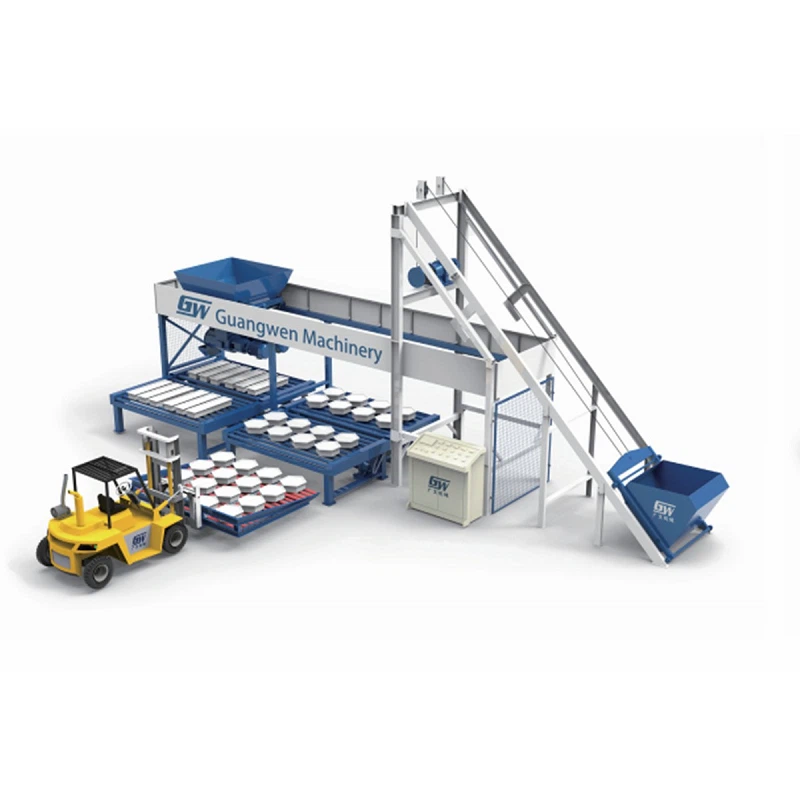

In addition to the type of feeder, the size and shape of the hopper also affect the feeding process. The hopper should be designed to prevent material bridging and ensure a smooth flow of materials into the feeder. For example, a hopper with a conical shape can help to prevent the materials from getting stuck at the bottom.
Monitoring and Control
Monitoring the feeding process is essential to ensure that the materials are being fed properly. This can be done using various sensors and control systems. For example, level sensors can be installed in the hopper to monitor the material level and ensure that there is always enough material available for the machine. Flow sensors can be used to measure the feeding rate and adjust it if necessary.
Control systems can also be used to automate the feeding process. For example, a programmable logic controller (PLC) can be used to control the operation of the feeder based on the production requirements. This can help to improve the efficiency and consistency of the feeding process.
Maintenance and Troubleshooting
Regular maintenance of the feeding system is crucial to ensure its proper operation. This includes cleaning the feeders, checking the belts and chains for wear, and lubricating the moving parts. A well - maintained feeding system can prevent breakdowns and ensure a continuous supply of materials to the machine.
In case of any problems with the feeding system, it is important to troubleshoot the issue promptly. Common problems include blockages, uneven feeding, and material spillage. By identifying the root cause of the problem and taking appropriate measures, such as clearing the blockage or adjusting the feeder settings, the feeding process can be restored to normal.
Conclusion
Ensuring the proper feeding of materials in a hydraulic brick machine is a complex but essential task. By understanding the material requirements, preparing the materials properly, designing an effective feeding system, monitoring and controlling the process, and performing regular maintenance, you can ensure the efficient and high - quality operation of your hydraulic brick machine.
If you are interested in our Cement block machine equipment, Cement brick making machinery, or Brick Block Making Machine, and would like to discuss your specific needs, please feel free to contact us. We are committed to providing you with the best solutions for your brick production requirements.
References
- "Brick Manufacturing Technology" by John Doe
- "Hydraulic Machine Handbook" by Jane Smith
- Industry reports on brick production and machine operation
No Information