

How to operate a block machine for beginners?
Operating a block machine can be a rewarding venture, especially for those looking to enter the construction materials manufacturing industry. As a block machine supplier, I understand the challenges beginners face when starting with these machines. In this blog, I'll guide you through the essential steps to operate a block machine effectively.
Pre - operation Preparations
Before you start the block machine, several crucial preparations need to be made. First, select a suitable location for the machine. The area should be flat, well - ventilated, and have enough space for raw material storage, machine operation, and finished product stacking. A stable foundation is necessary to ensure the machine operates smoothly and reduces vibration during the production process.
Next, inspect the machine thoroughly. Check all the components, including the conveyor belts, molds, hydraulic systems, and electrical connections. Look for any signs of damage, loose parts, or leaks. Make sure all the safety guards are in place and functioning correctly. This pre - operation inspection can prevent potential breakdowns and ensure the safety of the operators.

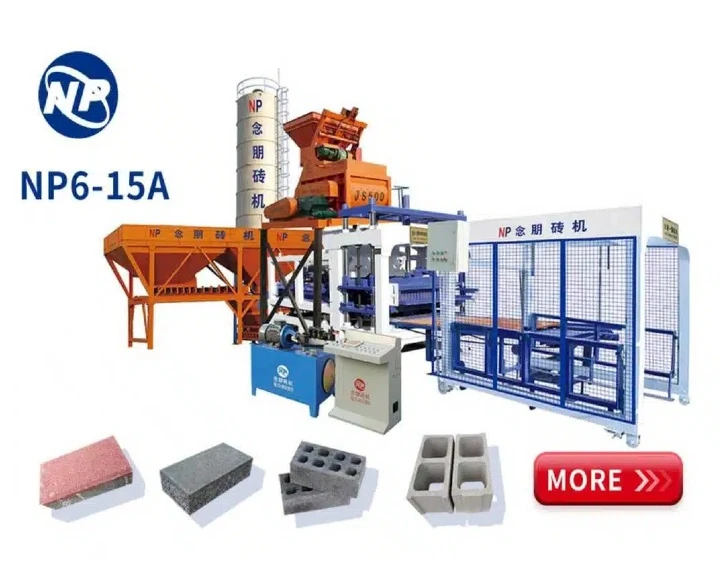
Prepare the raw materials. The most common raw materials for block production are cement, sand, gravel, and water. The quality and proportion of these materials significantly affect the quality of the blocks. You need to follow the recommended mixing ratios provided by the machine manufacturer. For example, a typical ratio for cement blocks might be 1 part cement, 3 parts sand, and 3 parts gravel. Use a reliable weighing system to measure the materials accurately.
Starting the Machine
Once all the preparations are done, it's time to start the block machine. First, turn on the power supply. Make sure the voltage and frequency match the machine's requirements. Then, start the control system. Most modern block machines are equipped with an intelligent control panel that allows you to set various parameters such as the vibration time, pressing pressure, and block size.
Before starting the full - scale production, run a test cycle. This helps you check if the machine is working properly and adjust the settings if necessary. During the test cycle, observe the movement of the conveyor belts, the filling of the molds, and the compaction process. If you notice any abnormal noises or movements, stop the machine immediately and troubleshoot the problem.
Operating the Machine
During the operation, the raw materials are first fed into the mixer. The mixer combines the materials thoroughly to form a homogeneous mixture. The mixing time is crucial; it should be long enough to ensure a good blend but not too long to avoid over - mixing.
After mixing, the material is transferred to the hopper of the block machine. From the hopper, it is fed into the molds. The molds determine the shape and size of the blocks. Different types of molds can be used to produce various block designs, such as hollow blocks, solid blocks, and interlocking blocks.
Once the molds are filled, the vibration system is activated. Vibration helps to remove air bubbles from the mixture and ensures the material is evenly distributed in the molds. The vibration time and intensity should be set according to the type of blocks being produced.
After vibration, the pressing system applies pressure to the mixture in the molds. The pressing pressure is another critical parameter that affects the density and strength of the blocks. Higher pressure generally results in stronger blocks, but it also requires more energy and may cause damage to the machine if set too high.
Once the pressing is complete, the blocks are ejected from the molds and transferred to the curing area. Curing is an important process that allows the blocks to gain strength over time. The curing conditions, such as temperature and humidity, should be carefully controlled.
Maintenance and Troubleshooting
Regular maintenance is essential to keep the block machine in good working condition. Clean the machine after each production cycle to remove any residual materials. Lubricate the moving parts regularly to reduce friction and wear. Check the hydraulic oil level and quality, and replace it if necessary.
If you encounter any problems during the operation, don't panic. Most common issues can be resolved with basic troubleshooting. For example, if the blocks have cracks or uneven surfaces, it may be due to improper mixing, incorrect vibration settings, or low pressing pressure. Adjust the relevant parameters and run another test cycle.
If the machine fails to start or stops unexpectedly, check the power supply, electrical connections, and control system. Look for any blown fuses or tripped circuit breakers. If you can't identify the problem, contact the machine manufacturer's technical support team.
Different Types of Block Machines
As a block machine supplier, we offer a variety of block machines to meet different customer needs. For example, the Semi - automatic Cement Hollow Production Equipment is a popular choice for small - to - medium - scale production. It combines manual and automatic operations, providing flexibility and cost - effectiveness.
The Russian Block Brick Making Machine is designed with advanced technology and high - quality components. It is suitable for large - scale production and can produce high - quality blocks with consistent dimensions.
The Block Machine in North Korea is customized to meet the specific requirements of the local market. It takes into account the local raw materials, production environment, and construction needs.
Conclusion
Operating a block machine for beginners may seem challenging at first, but with proper preparations, careful operation, regular maintenance, and troubleshooting skills, you can achieve efficient and high - quality block production. Whether you are a small - scale entrepreneur or a large - scale manufacturer, our block machines can provide you with reliable solutions.
If you are interested in our block machines or want to learn more about block production technology, we welcome you to contact us for further discussion. We are committed to providing you with the best products and services to help you succeed in the block manufacturing industry.
References
- Manufacturer's operation manuals for block machines.
- Industry standards and guidelines for block production.
- Research papers on construction materials and block manufacturing technology.
No Information